Other Projects from rakontur
All Projects
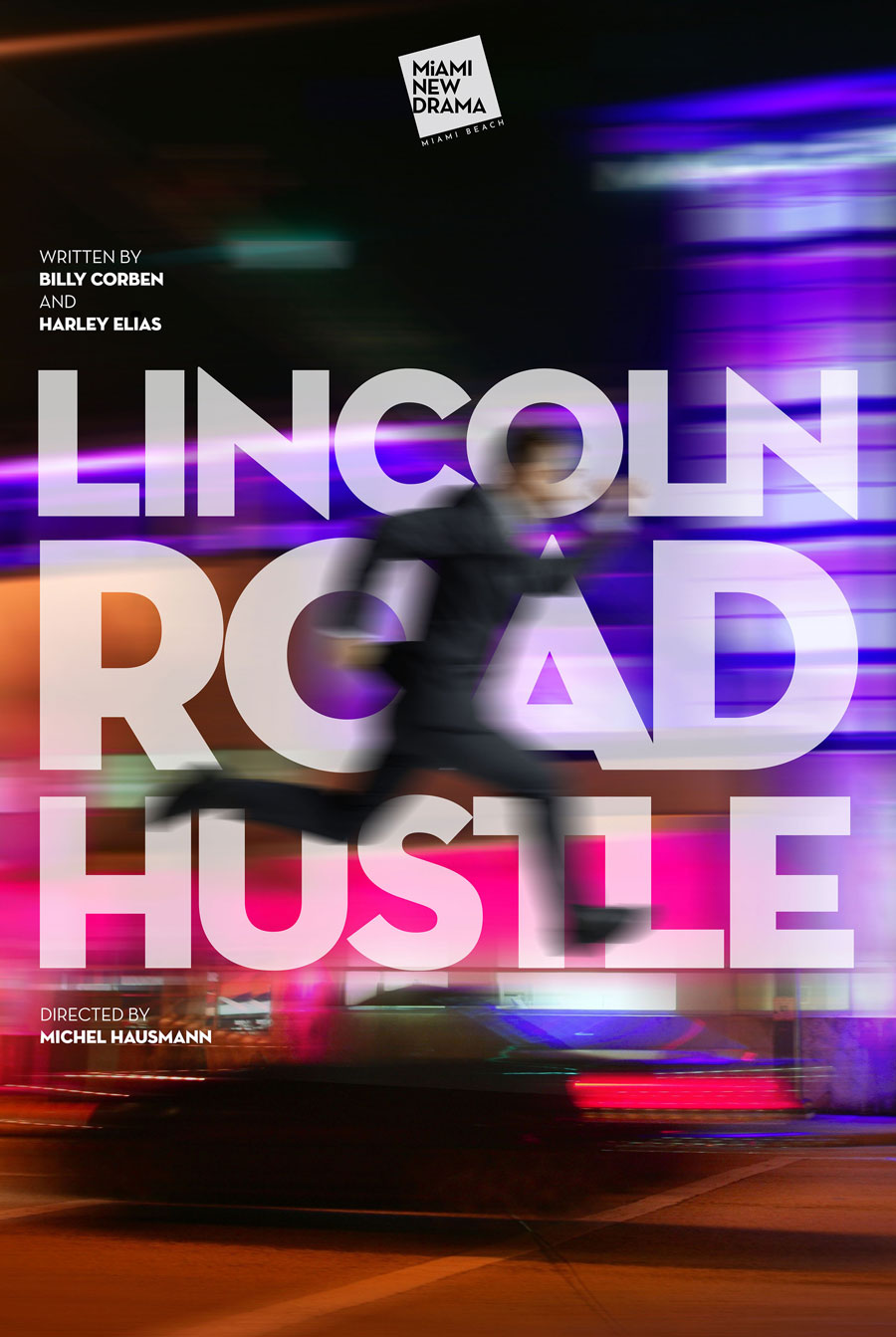
Lincoln Road Hustle
An immersive, site-specific World Premiere staged across Lincoln Road—restaurants, shops, cafés, and public spaces come alive in this high-tech, riveting production. Audiences move between secret locations, eavesdropping on real-time conversations that shouldn't be overheard.
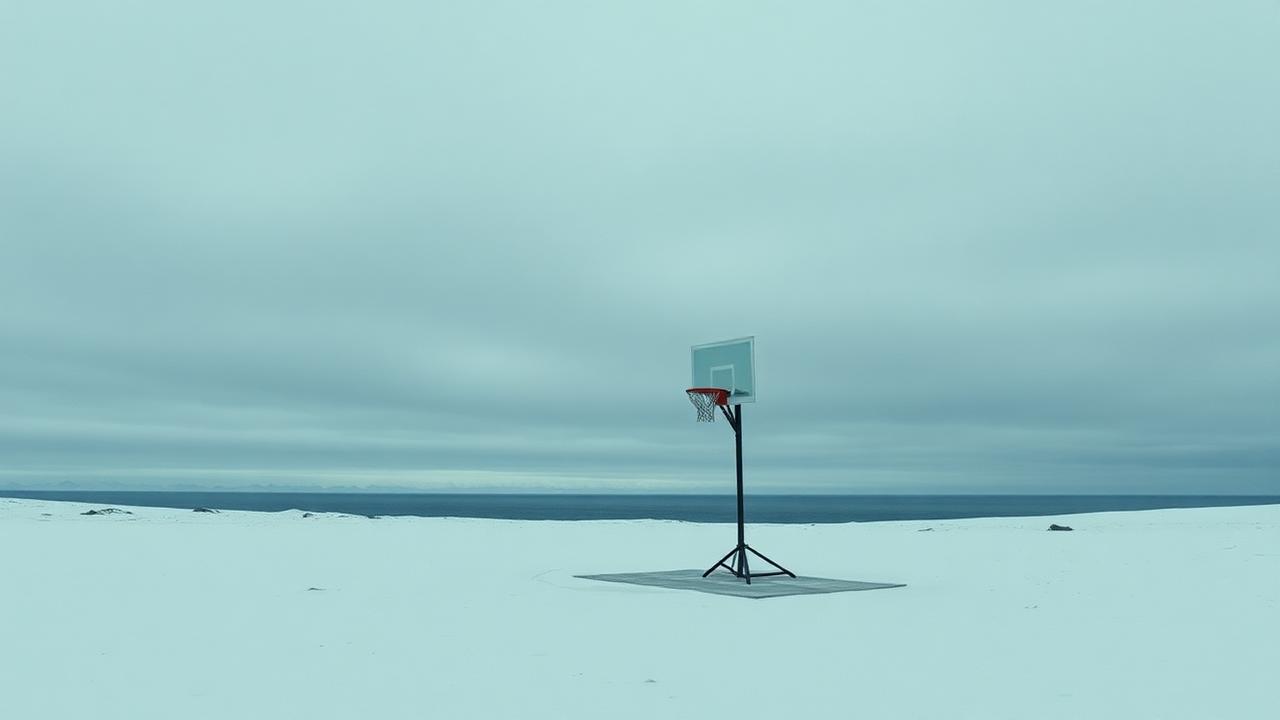
Meta Quest x NBA: Fans at the Edge of the Earth
Meta Quest and the NBA teamed up to bring courtside basketball to one of the most isolated communities in America — Adak, Alaska, a former Navy outpost in the Aleutian Islands more than a thousand miles from the nearest NBA arena. Directed by Billy Corben, the spot follows residents as they strap on Meta Quest headsets and step into NBA Arena VR, transforming a windswept island at the edge of the earth into a front-row seat to the league.
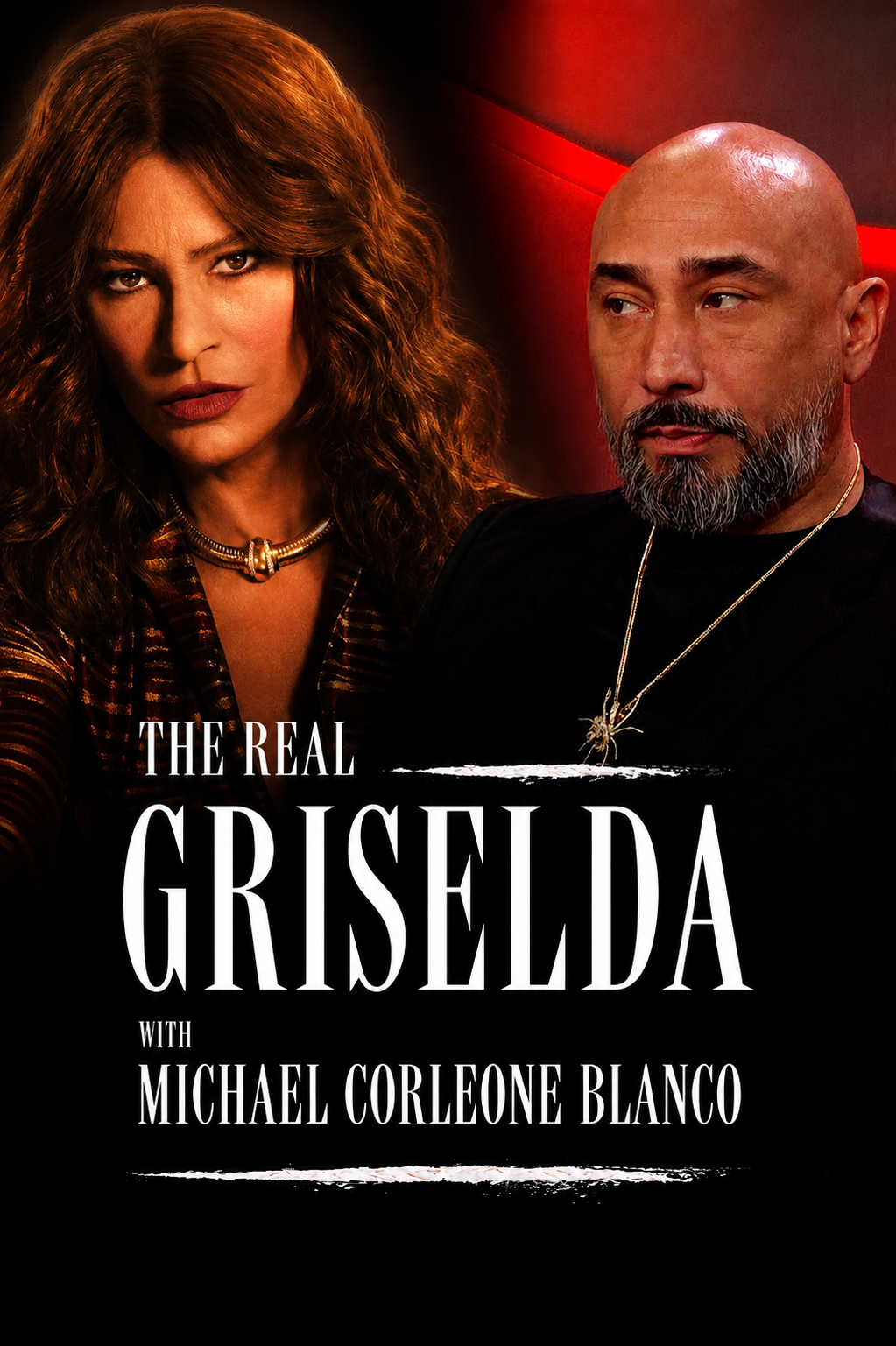
The Real Griselda
Michael Corleone Blanco, the youngest son of Cocaine Godmother Griselda Blanco, reacts to the new Netflix limited series starring Sofía Vergara.
For The Defense with David Oscar Markus
A long-running podcast hosted by veteran Miami criminal defense attorney David Oscar Markus, with deep-dive conversations on the country's most consequential criminal cases and the lawyers who fought them.
Confessions of a Cocaine Cowboy
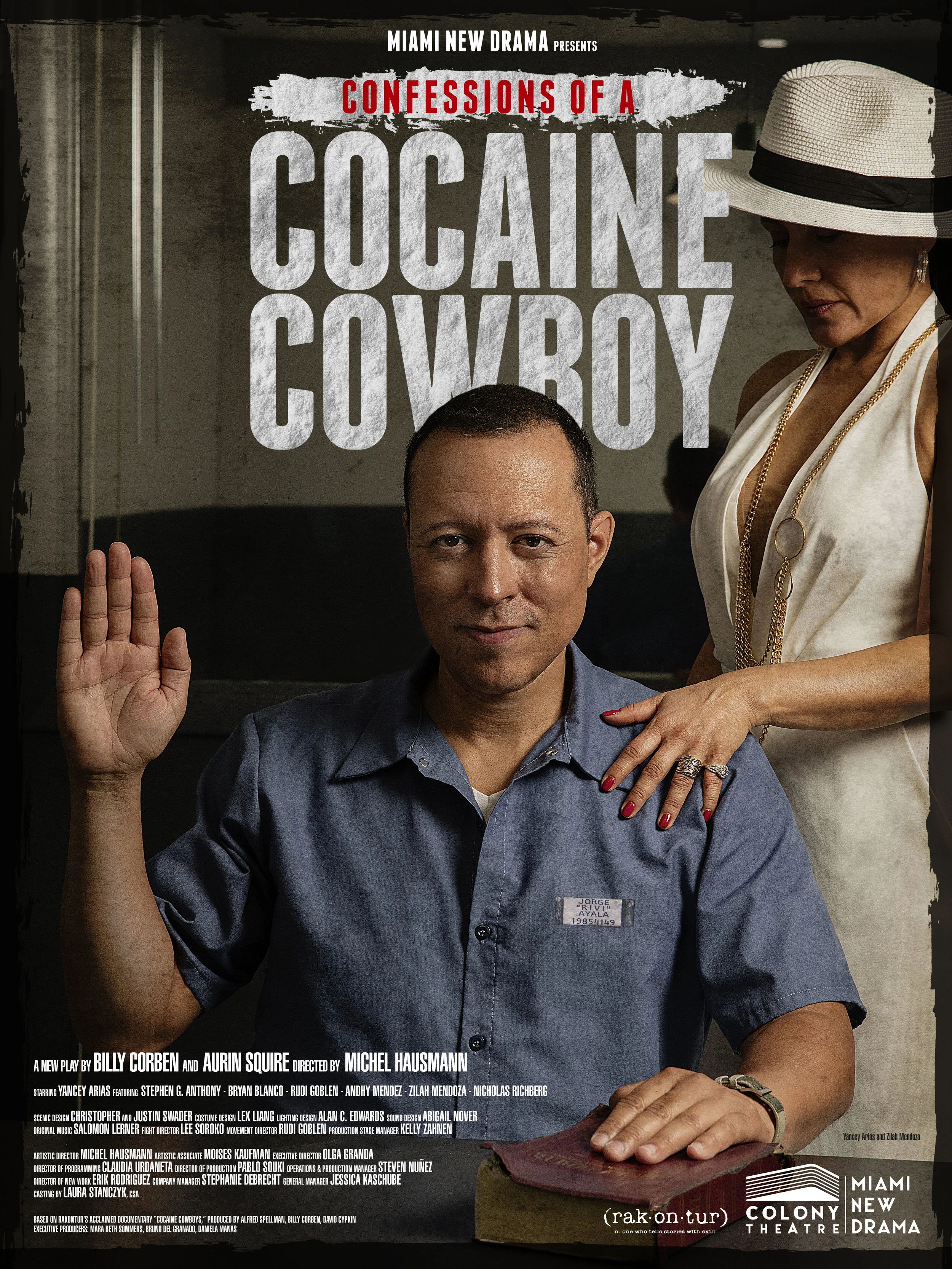
Building on the work of the award-winning documentary series by rakontur, which shed light on the fascinating history of Miami's drug trade through interviews with law enforcement officials, journalists, and organized crime leaders, Confessions of a Cocaine Cowboy is a new play that chronicles the brutal drug war through the eyes of Jorge "Rivi" Ayala, a hired assassin working with the notorious drug queenpin Griselda Blanco.
World Red Eye Cultural Exchanges: Real Estate
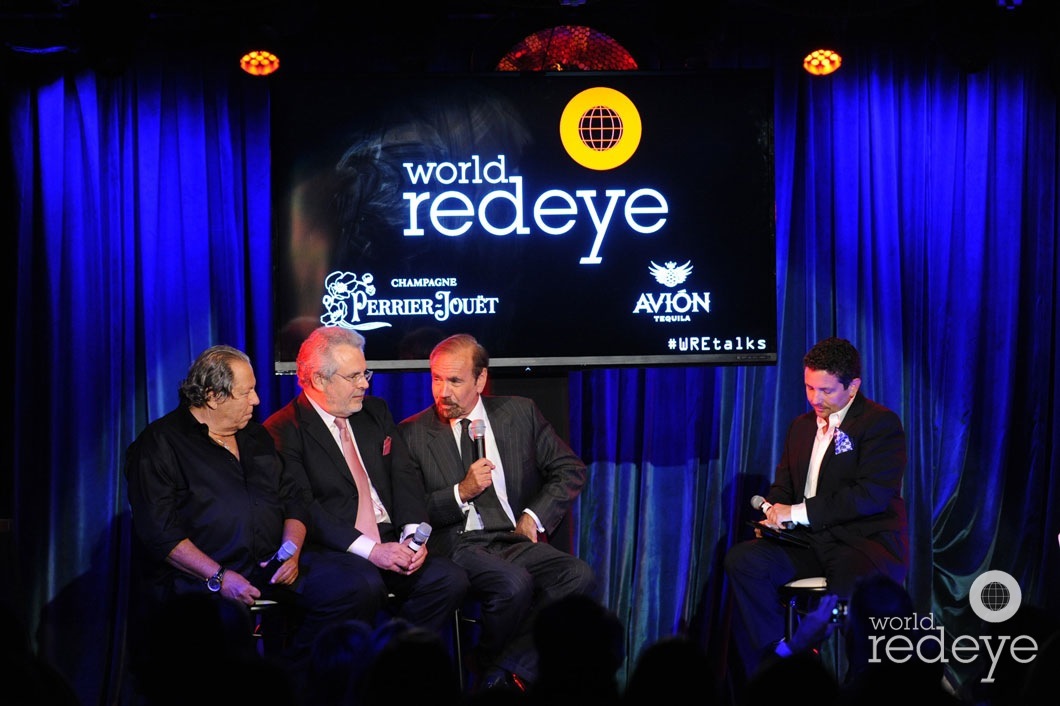
The second installment of World Red Eye's Cultural Exchanges speaker series — "The Next Genesis of Miami Real Estate" — a one-night panel at El Tucán pairing Miami's most notorious real estate tycoons with their family successors. Presented by Perrier-Jouët and Tequila Avión.

Miami Beach 100
Built on a barrier island nobody could reach without a ferry, Miami Beach was a city assembled from swamp and sand by people who saw something nobody else did yet. It was a place where anti-Semitism drew the property lines, where a fish-and-chips stand inside a bathing casino became the legendary Joe's Stone Crab, and where a developer snubbed by Carl Fisher responded by building his own French-inspired paradise on Normandy Isle out of sheer determination. Miami Beach 100 tells the story of this singular city the way it actually lived, through the voices of the people who were there. A Tuskegee Airman recalls marching up Collins Avenue as the only Black soldier in his outfit, unable to invite his own family to his graduation because no Black civilians were permitted on the beach. The granddaughter of Joe Weiss describes the ichthyologists who brought stone crabs to her grandfather's kitchen and changed the menu forever. Larry King recounts how a favor Frank Sinatra owed Jackie Gleason landed him a three-hour interview, and how he spent his last twenty dollars on parking and a tip, leaving nothing for coffee on the way home. The documentary moves decade by decade through the boom of the postwar hotel era, the underground glamour of illegal cabana bookmakers, the national political conventions that turned Miami Beach into the unlikely center of a nation at war with itself, and the long, painful slide of the 1970s, when Lincoln Road went dark, Ocean Drive turned dangerous, and the city's future seemed to be a miniature Venice that nobody wanted. Against that decline, a small group of preservationists fought to save a collection of buildings most people called the "art dreco" with a sneer. They won. What followed was something no one planned: a fashion industry that discovered the pastel buildings of South Beach as a backdrop, a gay community that understood the value of what had been written off, and a wave of reinvention so fast and complete that within a decade the median age on the Beach had dropped from 75 to 35. The film closes not with a real estate figure or a ribbon-cutting, but with writer Damon Runyon's old letter to a friend in Hollywood explaining why he would never leave South Florida, a letter that ends, simply, with the phrase "sand in your shoes." It's the best explanation anyone has found for why this strip of land, against every reasonable prediction, keeps pulling people back.

World Red Eye Cultural Exchanges: Nightlife
The inaugural installment of World Red Eye's Cultural Exchanges speaker series — a one-night panel observing Miami's nightlife culture and the role its trailblazers have played in the city's transformation. Presented by Perrier-Jouët and Absolut Elyx.
Collision Course: The Murder of Don Aronow
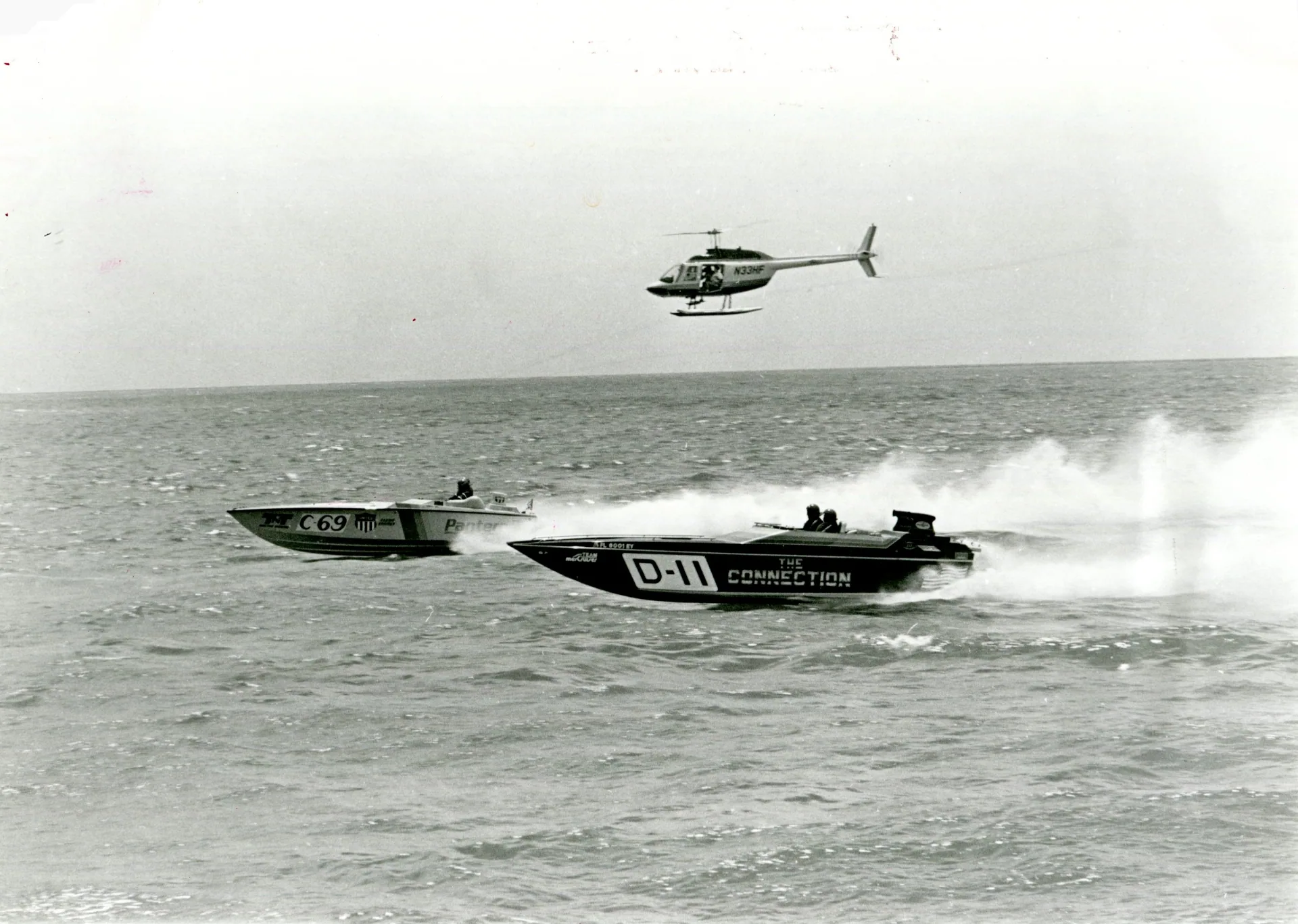
In the 1980s, powerboat racing was to Miami what polo was to Palm Beach: a sport for the rich with an insatiable appetite for speed and adventure. To this day, the most famous brand names associated with power boating were the creation of Don Aronow — Cigarette, Formula, Donzi, Blue Thunder. Aronow was a handsome family man who moved to Miami after making a fortune in New Jersey construction, but soon became world famous as a champion boat racer and international businessman, selling boats and fostering close personal relationships with some of the most powerful men in the world. But in Miami in the 1980s, the most formidable group with a need for speed on the water who also could afford the astronomical sticker prices on Don Aronow's Go-Fast boats were drug smugglers. Collision Course: The Murder of Don Aronow recounts the rarely told fast life and times of one of the world's most intriguing adventurers and explores his unsolved murder.
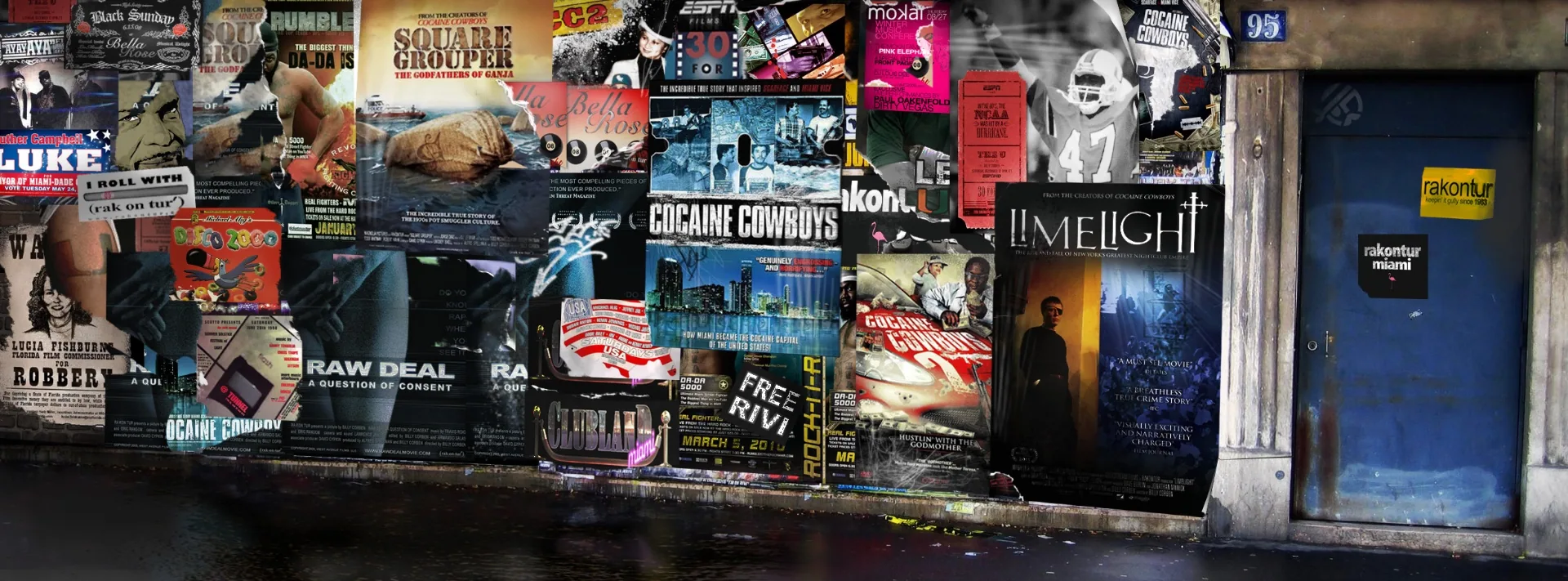
rakontur 10th Anniversary Retrospective
Five nights of screenings, Q&As, and reunions at O Cinema marking ten years of rakontur — from the studio's Sundance debut Raw Deal to a Cocaine Cowboys cast reunion, an extended cut of The U, a Square Grouper screening with Black Tuna Gang's Robert Platshorn, and a closing night with Billy Corben and Alfred Spellman.
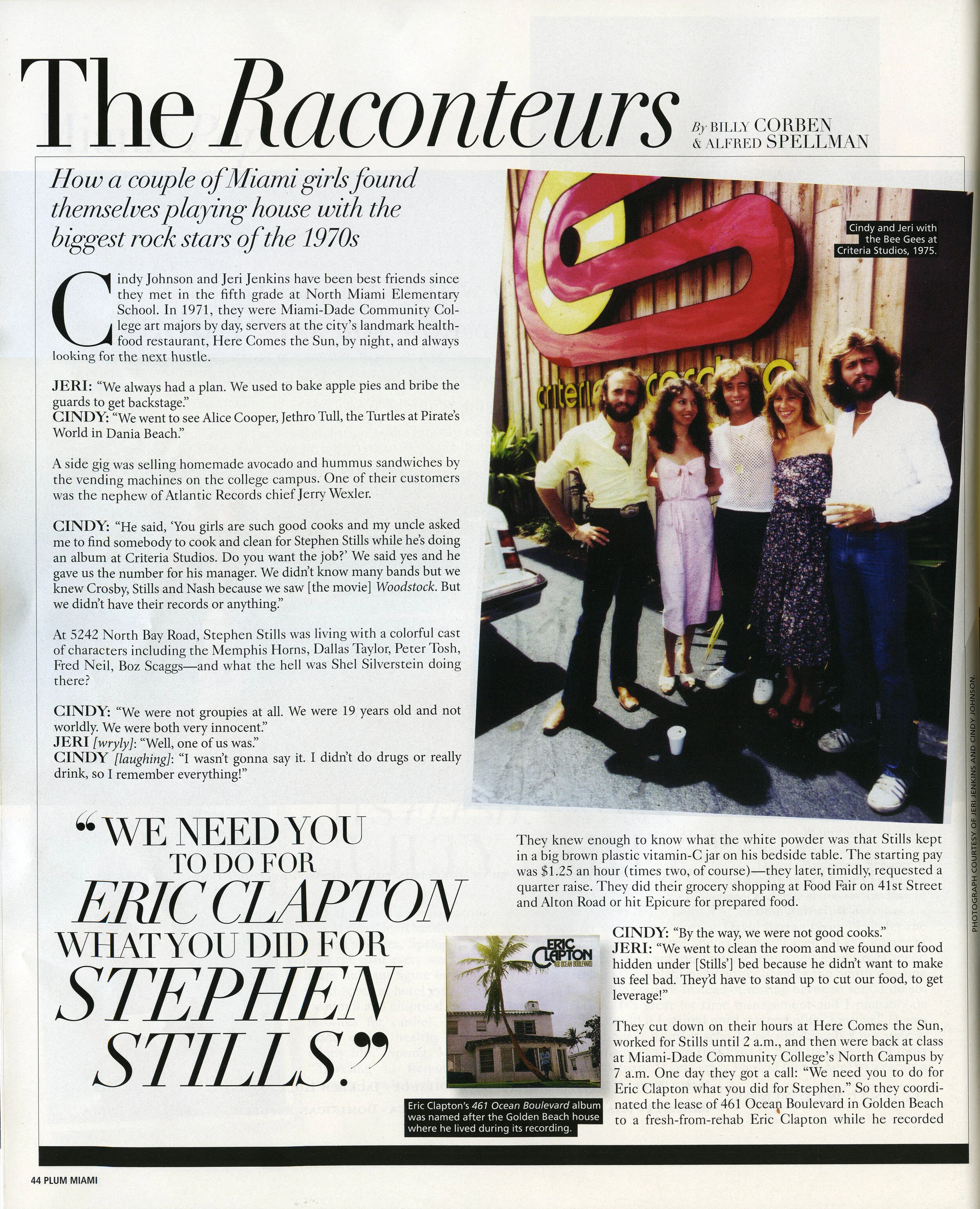
The Raconteurs
A Plum Miami magazine feature on rakontur and the home of Billy Corben and Alfred Spellman — "Home at Last" — a glimpse inside the lives and Miami Beach headquarters of the studio behind Cocaine Cowboys, The U, and Square Grouper.
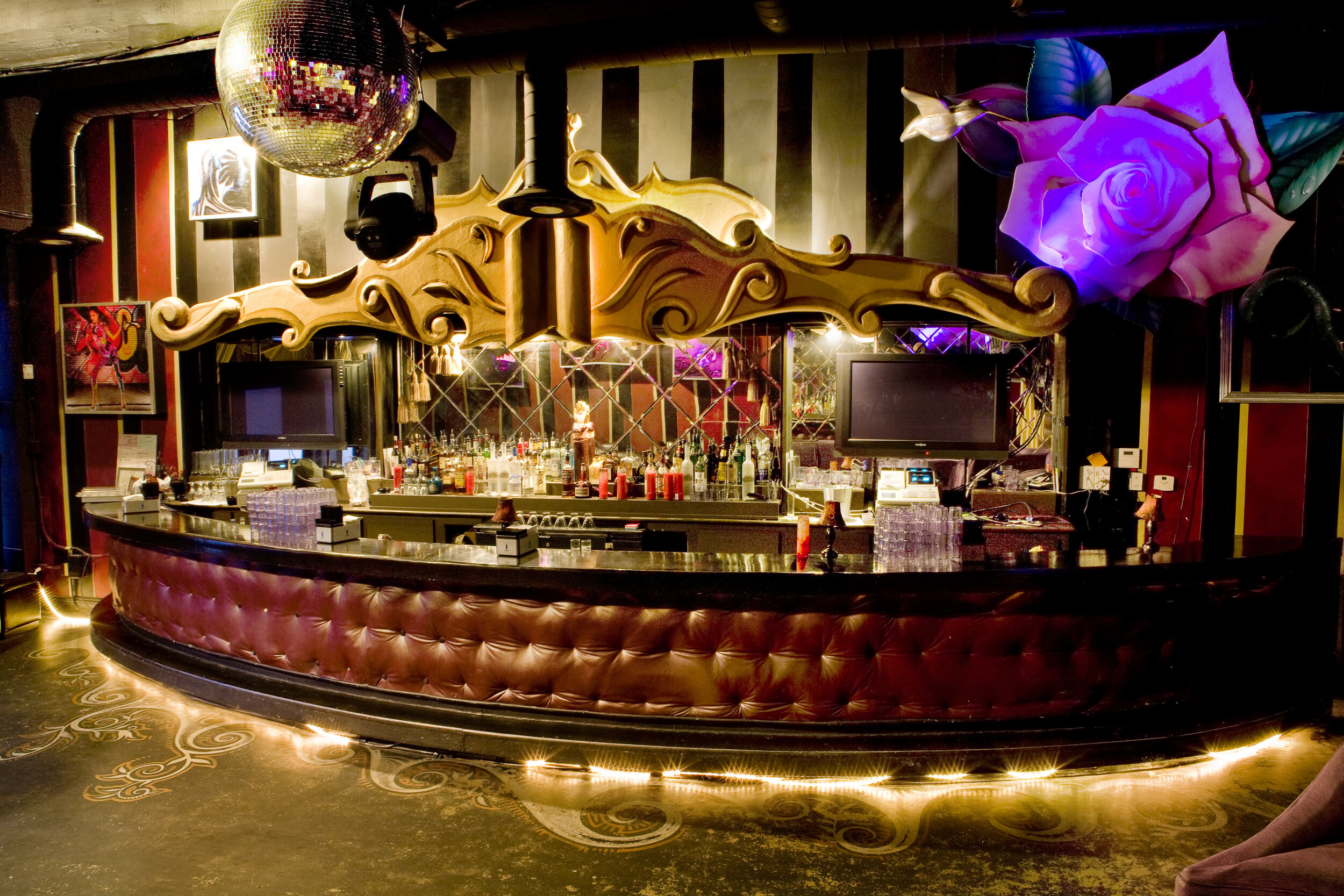
Bella Rose
Bella Rose was a Miami Beach bar conceived and built by Brooklyn-born Keith Paciello and Miami's own Alfred Spellman — a whiskey-pure, Zen-simple room for the people who actually live the city, not the ones who play at it.
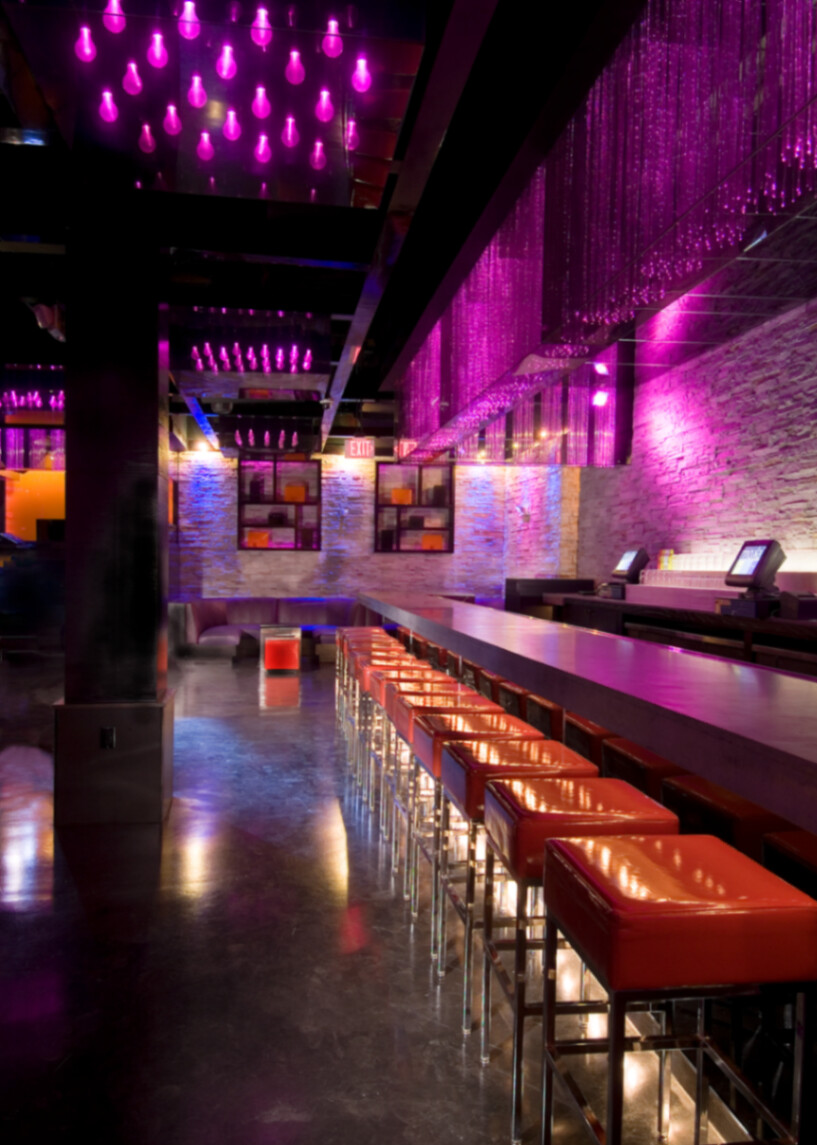
Clubland
Go behind the velvet rope into the cutthroat world of the South Beach nightclub business. Follow legendary nightlife impresario Nicola Siervo as he leaves Mynt, the exclusive celebrity playground he helped build, to open Mokai, a rival club just blocks away. What begins as an ambitious venture quickly becomes a street-level power struggle between former partners battling for status, influence and control of the most coveted guest list in town. As Nicola races to open Mokai before the season's biggest events, cameras capture every step of the process: designing the space, navigating city inspectors, hiring staff, battling promoters, courting investors, recruiting DJs, and fighting to attract the celebrities, models and high rollers who can make or break a club overnight. Across 55 episodes, Clubland chronicles the alliances, betrayals, power struggles and oversized personalities that fuel the scene after dark. Club owners poach employees from one another, promoters battle for control of the door, VIP hosts compete for the most desirable guests, and former partners become bitter rivals. As Mokai prepares to open, promoters, DJs, bartenders, VIP hosts and regulars are forced to choose sides. Clubland captures a moment before social media and influencers, when every night was a referendum on who was in, who was out, and who still mattered.