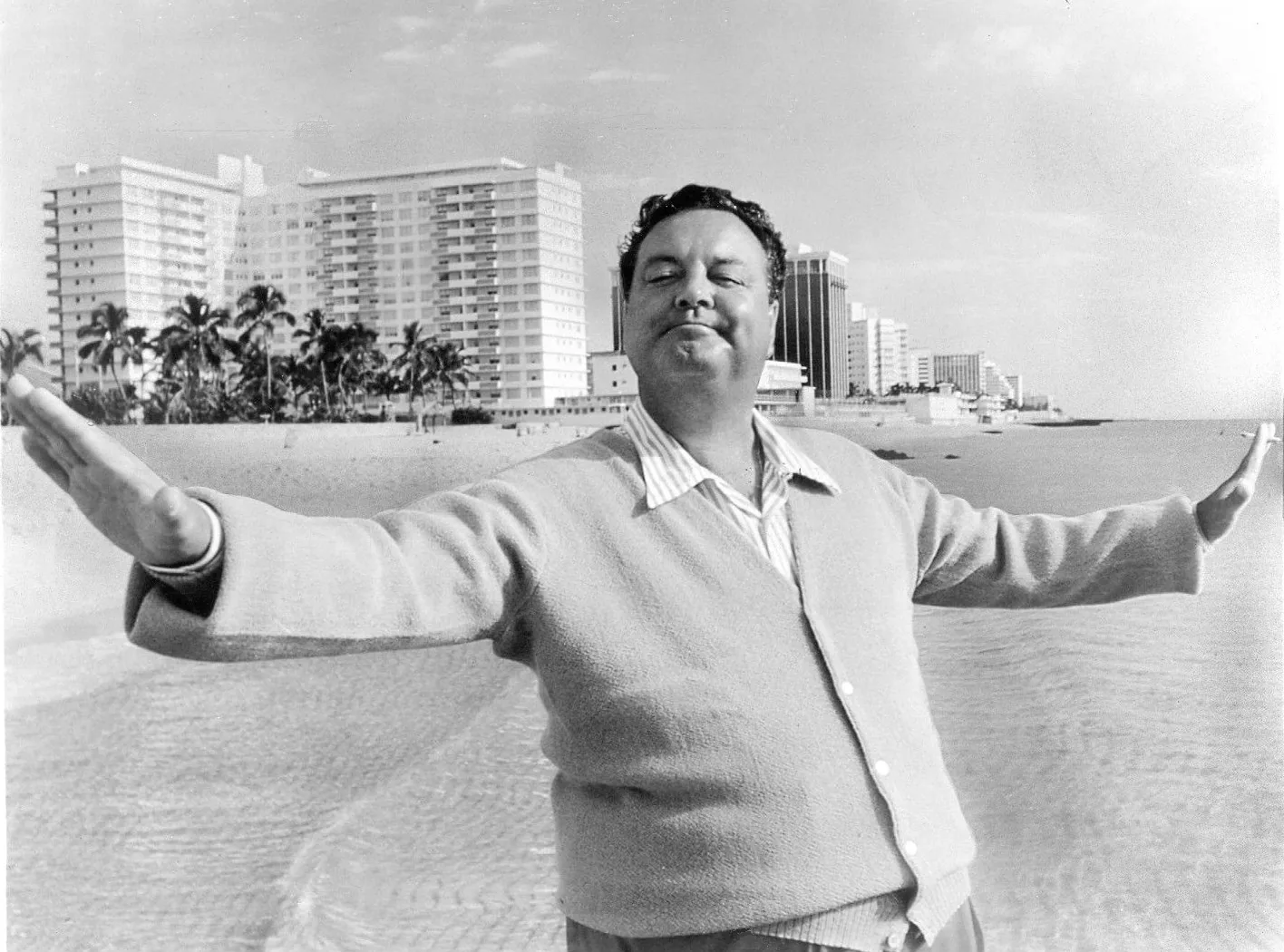
Miami Beach 100
A mangrove island no one could reach by road becomes the world's most improbable stage, and the people who built it, lost it, and refused to let it die tell you why.
Produced in association with The Knight Foundation for The City of Miami Beach Centennial March 2015
Built on a barrier island nobody could reach without a ferry, Miami Beach was a city assembled from swamp and sand by people who saw something nobody else did yet. It was a place where anti-Semitism drew the property lines, where a fish-and-chips stand inside a bathing casino became the legendary Joe's Stone Crab, and where a developer snubbed by Carl Fisher responded by building his own French-inspired paradise on Normandy Isle out of sheer determination.
Miami Beach 100 tells the story of this singular city the way it actually lived, through the voices of the people who were there. A Tuskegee Airman recalls marching up Collins Avenue as the only Black soldier in his outfit, unable to invite his own family to his graduation because no Black civilians were permitted on the beach. The granddaughter of Joe Weiss describes the ichthyologists who brought stone crabs to her grandfather's kitchen and changed the menu forever. Larry King recounts how a favor Frank Sinatra owed Jackie Gleason landed him a three-hour interview, and how he spent his last twenty dollars on parking and a tip, leaving nothing for coffee on the way home.
The documentary moves decade by decade through the boom of the postwar hotel era, the underground glamour of illegal cabana bookmakers, the national political conventions that turned Miami Beach into the unlikely center of a nation at war with itself, and the long, painful slide of the 1970s, when Lincoln Road went dark, Ocean Drive turned dangerous, and the city's future seemed to be a miniature Venice that nobody wanted. Against that decline, a small group of preservationists fought to save a collection of buildings most people called the "art dreco" with a sneer. They won.
What followed was something no one planned: a fashion industry that discovered the pastel buildings of South Beach as a backdrop, a gay community that understood the value of what had been written off, and a wave of reinvention so fast and complete that within a decade the median age on the Beach had dropped from 75 to 35.
The film closes not with a real estate figure or a ribbon-cutting, but with writer Damon Runyon's old letter to a friend in Hollywood explaining why he would never leave South Florida, a letter that ends, simply, with the phrase "sand in your shoes." It's the best explanation anyone has found for why this strip of land, against every reasonable prediction, keeps pulling people back.