Bella Rose
“So while the latest crop of so-called club kingpins went in search of the next last reality show contestant, the people got it. See, what the come-latelies failed to realize is that real folk don't play at reality, they live it. And if you want a joint where real folk congregate, you don't fake it.”
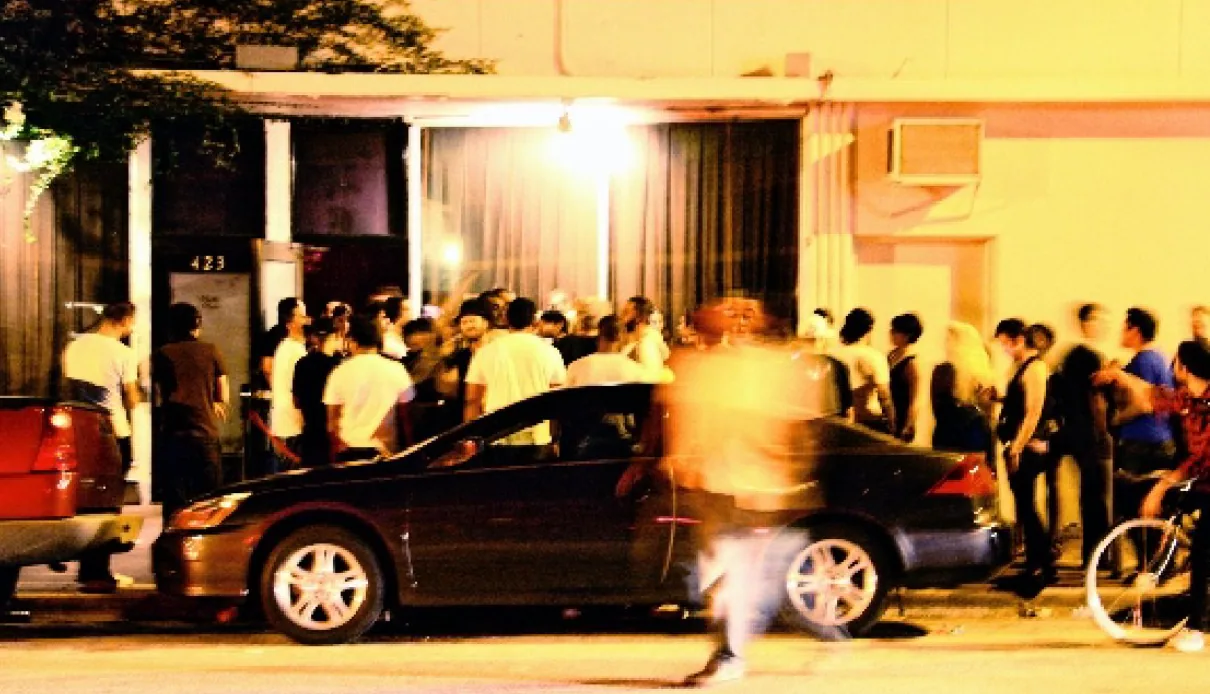
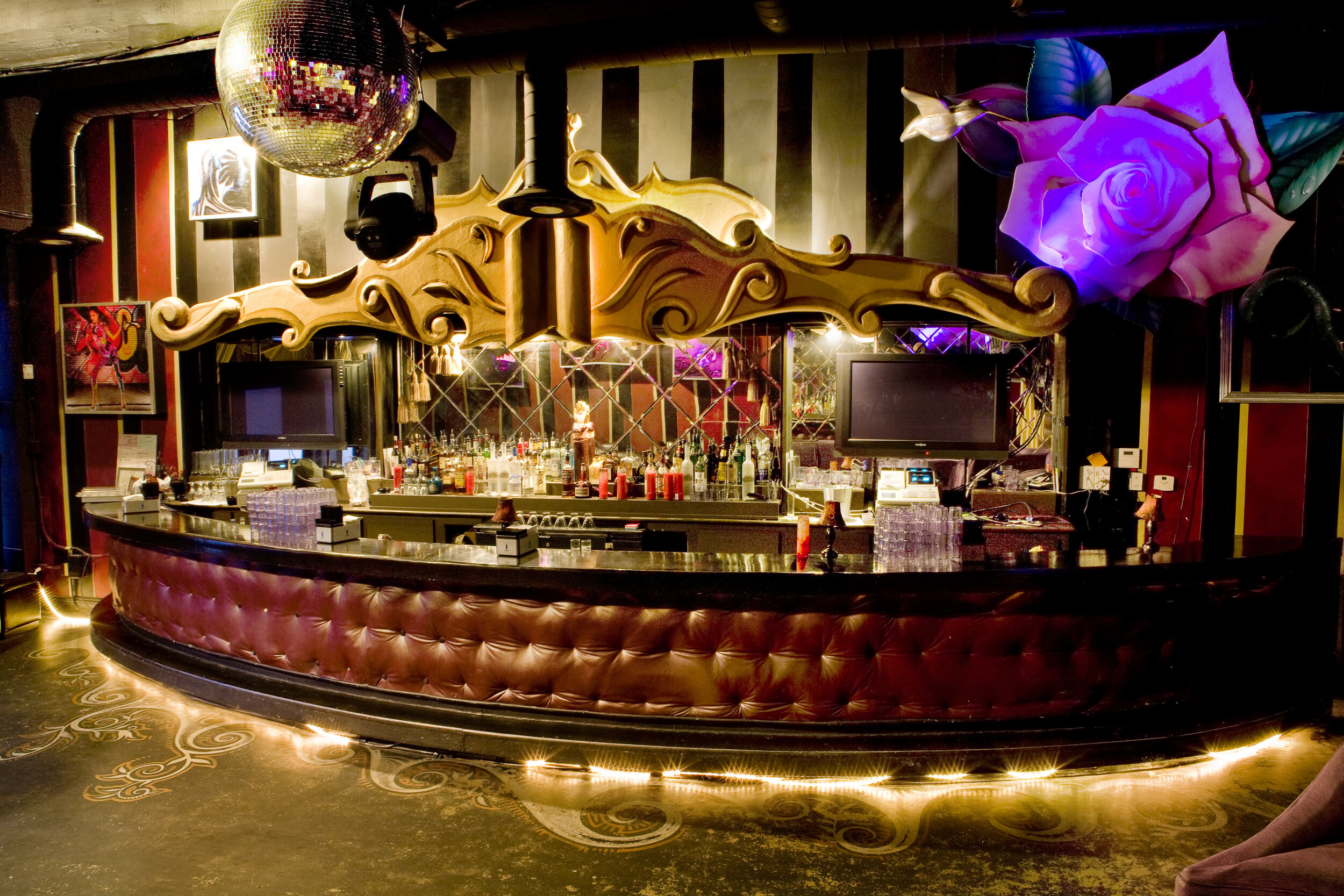
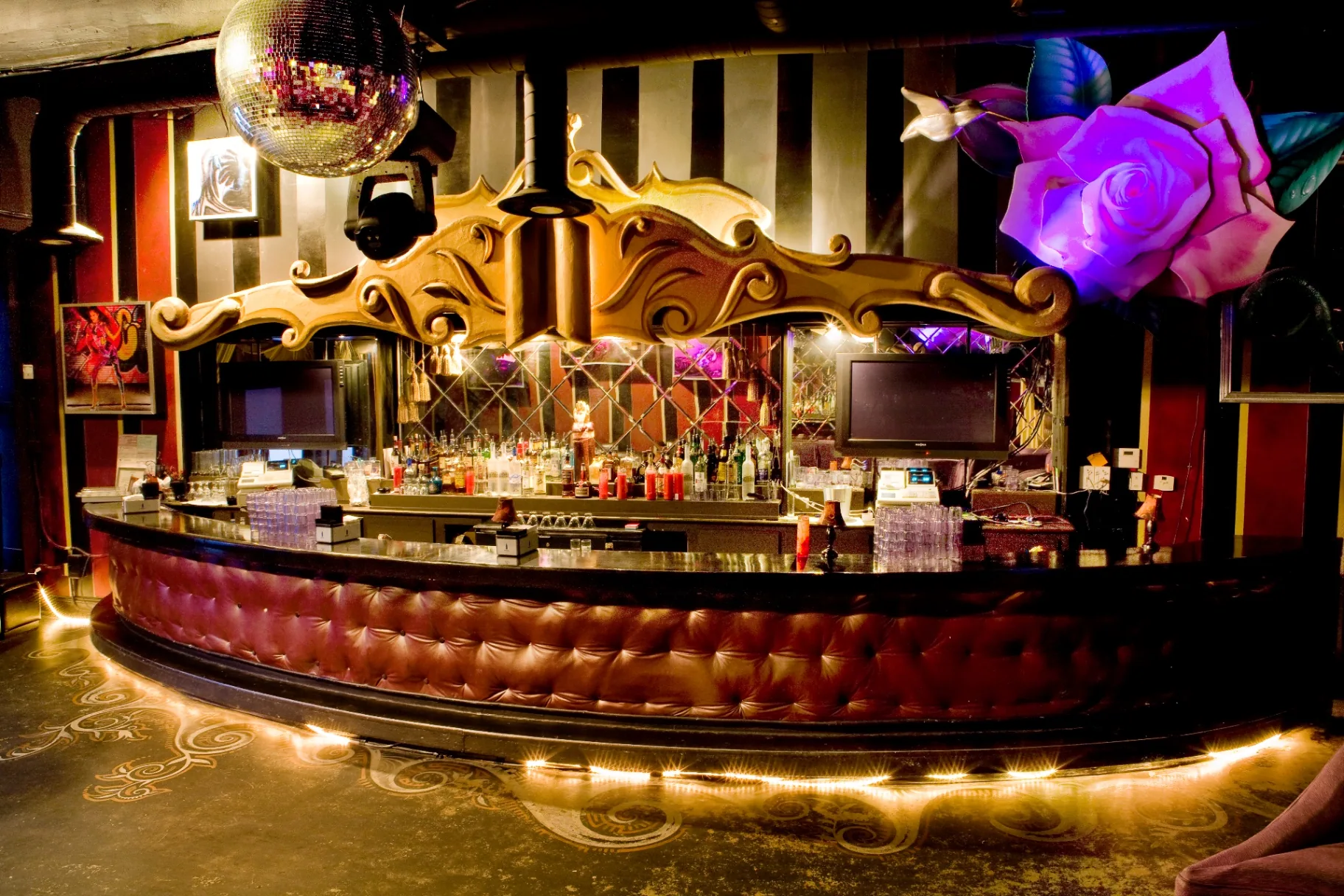
Bella Rose was a short-lived South Beach lounge and late-night dancery that became an unlikely refuge from Miami's bottle service oligarchs, earning frequent comparisons to New York's legendarily debaucherous Beatrice Inn.
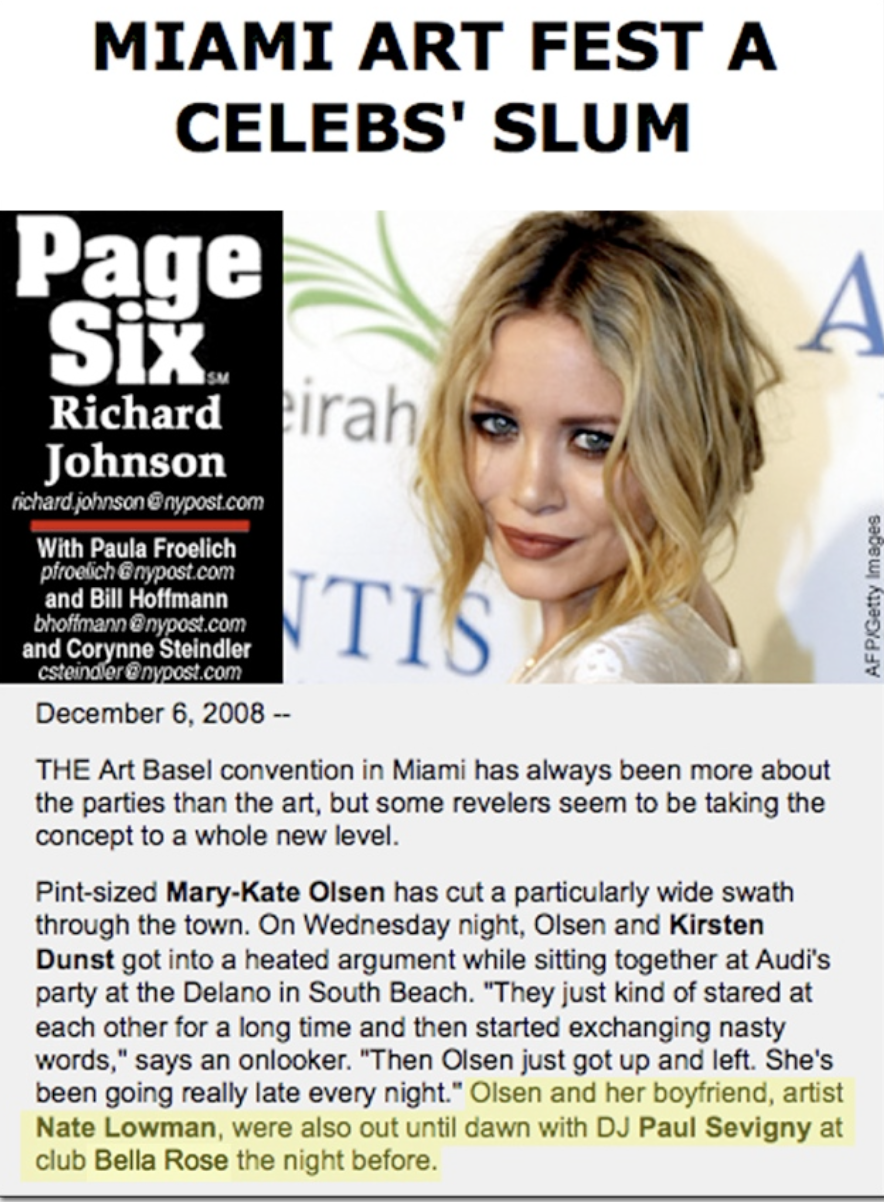
In 2008, while Miami continued its transformation into a velvet-rope theme park, Bella Rose opened on a forgotten stretch of 16th Street and attracted an eclectic mix of artists, fashion insiders, service-industry lifers, misfits, celebrities, and locals and tourists who had made poor decisions elsewhere.
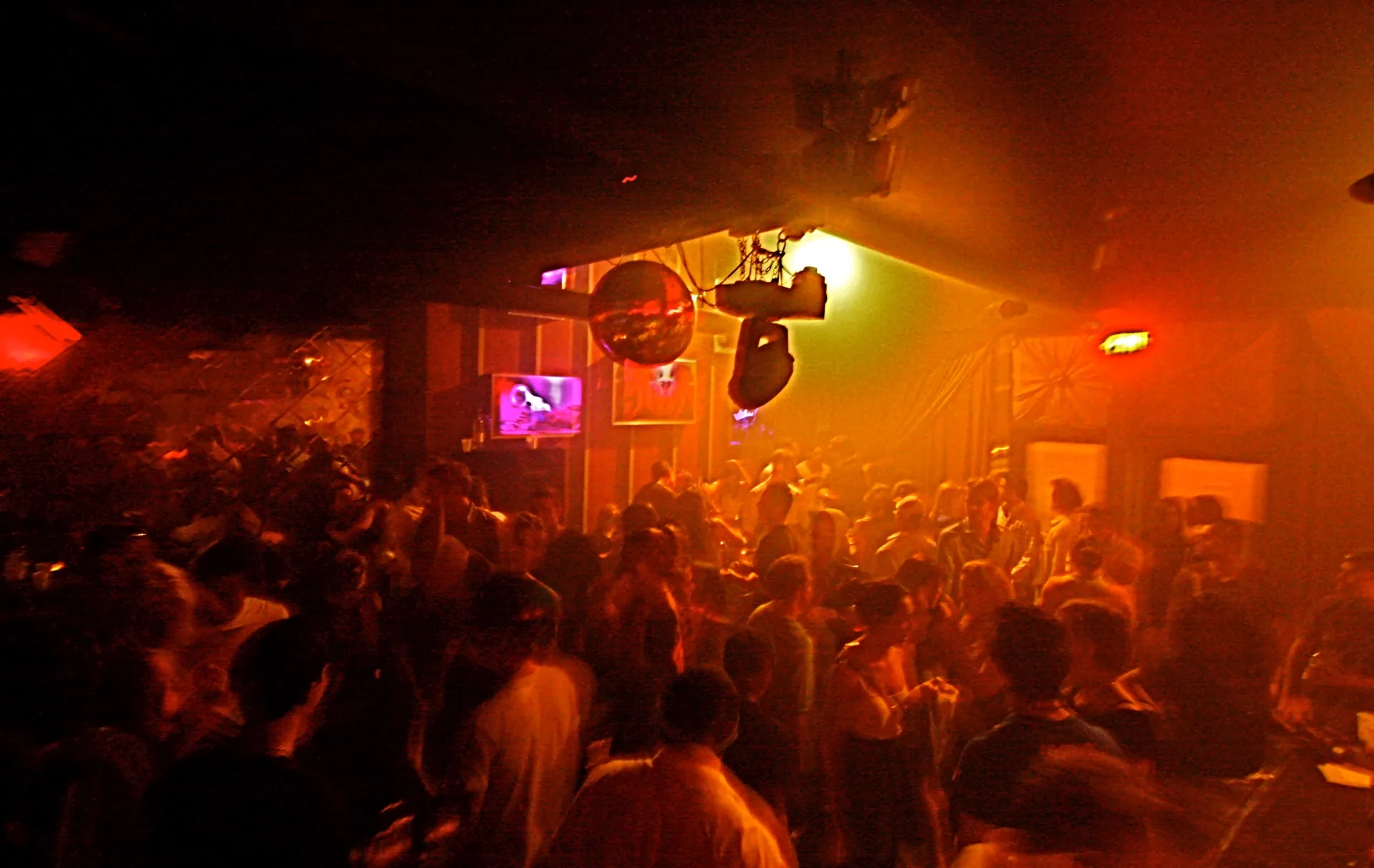
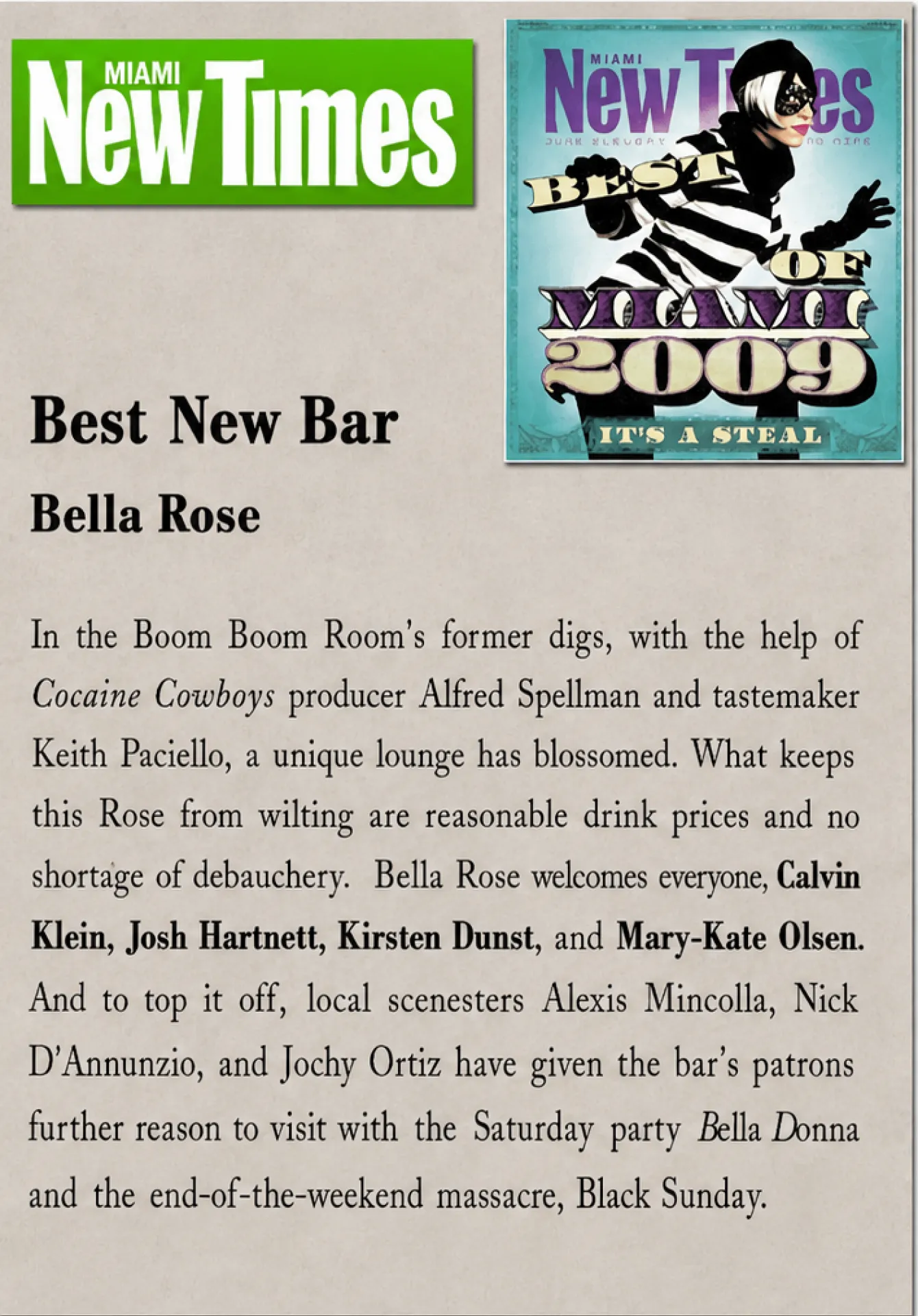
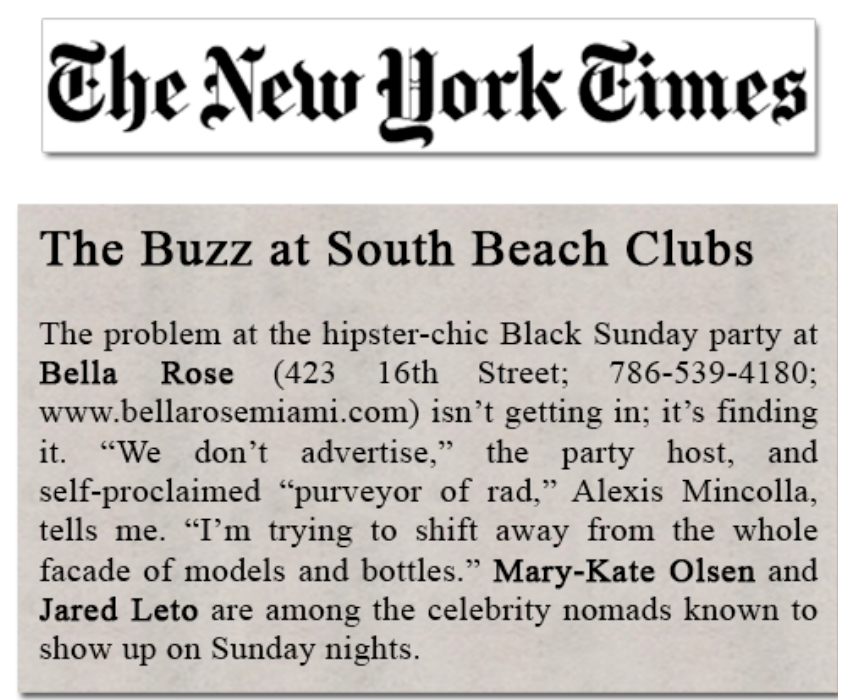
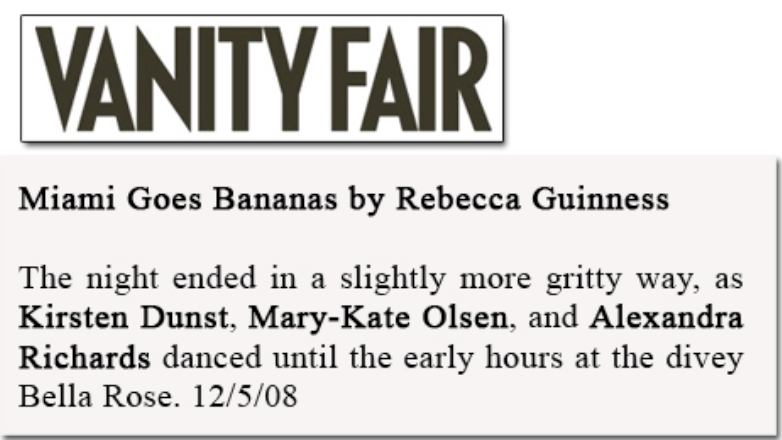
Unlike most South Beach nightlife establishments, Bella Rose did not aspire to separate tourists from their money; it aspired to separate night owls from reality. Praised by outlets ranging from The New York Times to Forbes to Vanity Fair as an antidote to South Beach excess, Bella Rose became one of the city's most celebrated nightlife experiments.
Its infamous Black Sunday party evolved from a weekly Sunday-night gathering into a gothic performance-art experiment in which local scenesters were elaborately "murdered" every week. Fake crime scenes were photographed, memorialized, and distributed online with enough realism to unsettle social media moderators. Equal parts nightclub, horror movie, and community theater, Black Sunday generated national press attention and a devoted cult following.
After barely a year in operation, Bella Rose disappeared as suddenly as it arrived, joining the long Miami tradition of beloved institutions that burn brightly, gather a cult following, and vanish before anyone can ruin them.